




• Anti Vibration products

    10 Benefits of Upgrading to Anti-Vibration Shock Mounts

    Whether you operate in marine, defence, railway, or any other demanding industry, unchecked vibration is one of the most common causes of premature equipment failure, excessive noise, and costly downtime. Upgrading to purpose-built anti-vibration shock mounts is one of the most effective steps you can take to protect your machinery, your people, and your bottom line.

  • Rubber Bushes

    The Benefits of Rubber Shock Absorber Bushes in Vehicle Suspensions

    In the world of commercial vehicles, every component needs to earn its place. From heavy goods vehicles and buses to construction machinery and agricultural equipment, the demands placed on a vehicle suspension system are immense. One component that often goes unnoticed, yet plays a vital role in performance, safety and longevity, is the rubber shock absorber bush.

  • How Suspension Mounts Enhance Ride Comfort and Vehicle Longevity

    Every vessel, military platform, and rolling stock unit is subject to relentless forces. Vibration from engines, shock loads from rough seas or uneven track, and structural resonance can all shorten service life and compromise the safety of crew and passengers. Yet one family of components quietly absorbs these forces day after day: suspension mounts.

    At GMT Rubber, we specialise in vibration isolation and anti-vibration solutions that serve the marine, defence, and railway sectors. In this article, we explore how rubber suspension mounts enhance ride comfort and vehicle longevity, why they matter for safety-critical applications, and what to look for when specifying vibration control mounts for demanding environments.

    What Are Suspension Mounts and How Do They Work?

    A suspension mount is a specially engineered component designed to sit between a vibrating source and the structure it is attached to. In most industrial applications, this takes the form of a rubber-to-metal bonded assembly. The elastomeric element absorbs and dissipates vibrational energy, while the metal components provide a rigid fixing interface.

    Rubber anti vibration mounts work on a straightforward principle: they introduce a flexible, energy-absorbing layer into the load path. When an engine fires, a wheel meets a rail joint, or a hull encounters wave impact, the mount deflects and converts kinetic energy into a small amount of heat within the rubber. This prevents the full force of the vibration from reaching the surrounding structure.

    The result is a measurable reduction in noise, vibration, and harshness (NVH), improved comfort for personnel, and significantly less fatigue loading on connected components. Whether we are talking about rubber shock mounts on a naval vessel or rubber vibration dampers beneath a locomotive powertrain, the underlying science remains the same.

    The Role of Anti Vibration Mounts in Noise, Vibration, and Harshness Control

    NVH is a term widely used across engineering disciplines to describe the undesirable effects of mechanical vibration. In marine, defence, and rail environments, unchecked NVH leads to accelerated wear on structural joints, loosening of fasteners, fatigue cracking, and discomfort or even injury for crew and passengers.

    Anti vibration mounts address all three elements of NVH simultaneously. The rubber element dampens vibration amplitude, reduces the transmission of structure-borne noise, and softens harsh transient impacts. This is why rubber isolation mounts are specified so frequently in safety-critical applications where both equipment protection and human comfort are paramount.

    Within the marine sector, the International Maritime Organization (IMO) adopted SOLAS regulations in 2012 that require ships to be constructed with measures to reduce on-board noise. Effective vibration isolation mounts are a key part of meeting these requirements, particularly around main engines, generators, and auxiliary machinery.

    In defence applications, equipment must satisfy rigorous shock and vibration standards such as MIL-STD-810, which defines testing methods that simulate the extreme mechanical environments military platforms face. Industrial vibration mounts play a vital role in helping sensitive electronics, weapons systems, and crew compartments survive and function under these conditions.

    For rail vehicles, standards such as IEC 61373 set out the vibration environment spectrum that on-board equipment must withstand. Rubber suspension mounts fitted within bogies, underframes, and cab structures help rolling stock meet these benchmarks while delivering a smooth ride for passengers.

    How Rubber Suspension Mounts Enhance Ride Comfort Across Marine, Defence, and Rail

    Marine Applications

    Life at sea means constant exposure to wave-induced motion, engine vibration, and propeller-generated frequencies. Without effective vibration control, these forces propagate through a vessel’s hull and superstructure, creating uncomfortable living and working conditions for crew.

    Rubber vibration mounts installed beneath main engines, gensets, and HVAC systems interrupt these transmission paths. By isolating each source at its mounting points, we can reduce structure-borne noise in accommodation spaces, bridge areas, and operational compartments. This is not just about comfort. Lower vibration levels improve concentration, reduce fatigue, and support overall crew welfare on long deployments or commercial voyages.

    Heavy duty rubber mounts are often required in marine environments because of the combination of high static loads and dynamic shock events. Salt spray, fuel exposure, and temperature variation also demand careful material selection. At GMT Rubber, we provide application support to ensure that every mount is suited to the specific environmental and mechanical conditions of the installation.

    Defence Applications

    Military vehicles, naval vessels, and mobile command platforms operate in some of the harshest conditions imaginable. Shock loads from weapon discharge, mine blast, rough terrain, and high-speed manoeuvring all place extreme demands on mounted equipment and personnel.

    Rubber shock mounts in defence applications must provide reliable vibration isolation while also surviving high-energy transient events. This dual requirement means that mount design must balance stiffness, damping, and ultimate load capacity with precision.

    Industrial rubber mounts used in defence also protect sensitive electronics, communications equipment, and optical systems. Without proper isolation, vibration-induced micro-movements can degrade sensor accuracy, interrupt data links, and reduce mission effectiveness. Specifying the right vibration control mounts is therefore a matter of operational capability as much as equipment longevity.

    Rail Applications

    Passenger comfort is a defining quality metric in modern rail transport. Vibrations originating from wheel-rail interaction, traction motors, and aerodynamic forces all contribute to the ride environment experienced by passengers and crew.

    Railway suspension systems use a combination of primary and secondary suspension stages to manage these inputs. Primary suspension, located between the wheelset and the bogie frame, handles high-frequency inputs from the track. Secondary suspension, between the bogie and the vehicle body, addresses lower-frequency body movements such as pitch, roll, and bounce.

    Rubber anti vibration mountings feature in both stages. In the primary suspension, rubber dampers and bushings control axle movement and prevent metal-to-metal contact. In the secondary suspension, larger rubber vibration mounts support the vehicle body and provide the compliance needed for a smooth, stable ride. The correct specification of these mounts directly influences passenger comfort, structural fatigue life, and maintenance intervals.

    How Suspension Mounts Extend Vehicle Longevity and Reduce Lifecycle Costs

    Ride comfort is only part of the picture. The long-term health of any vehicle, vessel, or platform depends on how well vibration is managed throughout its structure.

    Reducing Fatigue and Structural Wear

    Every vibration cycle contributes to fatigue accumulation in structural members, weld joints, and mechanical connections. Over thousands of operating hours, this fatigue loading can lead to cracking, loosening, and ultimately component failure. Vibration isolation mounts break the transmission path and dramatically reduce the number and severity of load cycles reaching the wider structure.

    This is especially important in marine and rail environments where assets are expected to remain in service for decades. A well-isolated engine or bogie will impose far less cumulative damage on its supporting structure than one that is rigidly mounted.

    Protecting Connected Components

    Suspension mounts do not just protect the structure they are bolted to. By reducing transmitted vibration, they also extend the service life of connected systems such as pipework, electrical looms, instruments, and interior fittings. In defence applications, this means fewer in-field repairs and higher equipment availability. In rail, it translates to reduced unscheduled maintenance and improved fleet reliability.

    Lowering Maintenance and Replacement Costs

    When vibration is poorly controlled, maintenance teams face a cycle of reactive repairs: re-torquing fasteners, replacing cracked brackets, and troubleshooting intermittent electrical faults. Investing in properly specified anti vibration rubber mountings at the design stage avoids many of these issues entirely, reducing total cost of ownership over the life of the asset.

    Signs That Suspension Mounts Need Inspection or Replacement

    Even the best rubber mounts have a finite service life. Recognising the early signs of degradation helps operators avoid unexpected failures and the secondary damage they cause. Common indicators include:

    • Increased vibration or noise levels in areas that were previously well isolated
    • Visible cracking, perishing, or deformation of the rubber element
    • Oil or chemical contamination on the mount surface
    • Misalignment of the mounted equipment
    • Unexpected wear patterns on connected components or adjacent structures

    Regular inspection and proactive replacement of worn anti vibration mounts should form part of any planned maintenance regime. In rail, this is often aligned with bogie overhaul intervals. In marine, mounts are typically checked during scheduled dry-docking or machinery surveys.

    What Makes a High-Quality Industrial Vibration Mount?

    Not all rubber mounts are created equal. The performance and durability of a vibration control mount depend on several interrelated factors.

    Material selection is fundamental. The rubber compound must be chosen to suit the operating temperature range, chemical environment, and required fatigue life. Natural rubber offers excellent dynamic properties and resilience, while synthetic compounds such as chloroprene or nitrile may be preferred where oil or fuel resistance is needed.

    Rubber-to-metal bonding quality determines the long-term integrity of the mount. A poorly bonded mount will delaminate under load, losing its isolation properties and potentially allowing the mounted equipment to shift. High-quality bonding processes, combined with rigorous quality control, are non-negotiable for safety-critical applications.

    Design and engineering also play a crucial role. The geometry of the rubber element, its Shore hardness, and the configuration of the metal components all influence the mount’s stiffness, damping ratio, and load capacity. At GMT Rubber, we use finite element analysis and a structured project management process to ensure that every mount, whether off-the-shelf or bespoke, is optimised for its intended application.

    With access to an extensive range of over 70,000 existing vibration isolation products, we can often supply a suitable solution from stock. Where a standard product does not meet the requirement, our design and application support team can develop a tailored solution that does.

    Choosing the Right Suspension Mount for Your Application

    Selecting the correct rubber suspension mount requires a clear understanding of the operating environment and the performance objectives. Key considerations include:

    Static and dynamic load requirements. The mount must support the weight of the equipment while also accommodating the dynamic forces generated during operation.

    Frequency range and isolation efficiency. Different applications generate vibration at different frequencies. The mount’s natural frequency must be tuned to provide effective isolation across the relevant range.

    Environmental conditions. Temperature extremes, humidity, salt spray, fuel and oil exposure, and UV radiation all influence material selection and expected service life.

    Space and installation constraints. Physical envelope, bolt patterns, and access for inspection and replacement must all be considered during the specification process.

    Regulatory and certification requirements. Marine classification societies, defence procurement standards, and rail industry norms all impose specific requirements on vibration control components.

    We work closely with customers across the marine, defence, and railway sectors to navigate these considerations. Our products and processes are manufactured to high standards with multiple industry certifications and international quality compliance, giving our clients confidence that their vibration isolation solution will perform as specified.

    The Future of Vibration Control: Advanced Materials and Adaptive Systems

    The engineering of suspension mounts continues to evolve. Research into advanced elastomeric compounds, hybrid composite mounting systems, and adaptive or semi-active damping technologies is opening new possibilities for vibration control in demanding applications.

    In the rail sector, interest in active and semi-active suspension systems is growing. In marine and defence, developments in lightweight materials and predictive analytics are enabling more efficient mount designs with longer service intervals.

    At GMT Rubber, we keep pace with these developments to ensure we can continue offering our customers the most effective vibration isolation solutions available. Whether the challenge calls for a proven heavy duty rubber mount or a bespoke design using the latest materials, our team is ready to help.

    Why Every Mount Matters More Than You Think

    Suspension mounts may not be the most visible component in a marine vessel, military platform, or railway vehicle, but their contribution to ride comfort, equipment protection, and structural longevity is immense. Properly specified and maintained rubber vibration mounts reduce NVH, extend service life, lower maintenance costs, and improve safety for everyone on board.

    If you operate in the marine, defence, or rail sector and want to ensure your vibration control strategy is delivering the best possible outcomes, we are here to help. With decades of experience, a vast product range, and full design and application support, GMT Rubber is your partner for effective, reliable anti-vibration solutions.

    Explore our full product index to see the breadth of solutions we offer, or visit our about us page to learn more about our capabilities and certifications.

    Frequently Asked Questions

    What is a suspension mount and what does it do?

    A suspension mount is a rubber-to-metal bonded component that sits between a vibrating source (such as an engine or bogie) and its supporting structure. It absorbs and dissipates vibrational energy, reducing the transmission of noise, vibration, and shock to the wider structure.

    How do anti vibration mounts improve ride comfort?

    Anti vibration mounts isolate vibration at its source, preventing it from propagating through the structure to areas occupied by crew or passengers. This results in lower noise levels, reduced physical vibration, and a smoother, more comfortable environment.

    How often should rubber suspension mounts be inspected?

    Inspection frequency depends on the application and operating environment. In rail, mounts are typically checked during scheduled bogie overhauls. In marine, inspections often coincide with dry-docking or machinery surveys. In defence, mounts should be checked as part of routine equipment readiness assessments.

    What causes suspension mounts to fail?

    Common causes include age-related rubber degradation, chemical or oil contamination, excessive heat exposure, overloading beyond the design capacity, and fatigue from prolonged high-amplitude vibration cycles.

    Can suspension mounts be custom designed for specific applications?

    Yes. At GMT Rubber, we offer full design and application support using finite element analysis tools to develop bespoke vibration isolation solutions tailored to specific load, frequency, and environmental requirements.

    What industries benefit most from industrial vibration mounts?

    While vibration control is important across many sectors, the marine, defence, and rail industries rely heavily on industrial rubber mounts due to the combination of high vibration loads, strict regulatory requirements, and the need for long service life in demanding environments.

    Ready to Improve Your Vibration Control? Let’s Talk

    Whether you need a single replacement mount or a complete vibration isolation package for a new build project, our team is ready to support you. We combine technical expertise with a practical, solutions-focused approach to deliver the right anti vibration mounts for your application.

    Get in touch today to discuss your requirements:

    We look forward to helping you achieve better ride comfort, longer asset life, and lower lifecycle costs through expertly engineered vibration control solutions.

  • Top 7 Benefits of Rubber Suspension Mounts in Vehicles

    If you operate or maintain a fleet of commercial vehicles, you already know how critical every component is to uptime, safety and overall performance. Yet one of the most important parts in the entire suspension system often goes unnoticed until something goes wrong: the rubber suspension mount. These unassuming components sit quietly between metal structures, absorbing forces, dampening vibrations and protecting everything around them.

  • suspension bush

    Top 10 Benefits of Upgrading to GMT Elastomeric Suspension Bushes

    Why Your Next Suspension Upgrade Could Transform Performance and Slash Maintenance Costs

    Suspension bushes may be small components, but their influence on the safety, comfort and longevity of a vehicle or machine is anything but minor. Whether you operate a commercial fleet, manage heavy plant across construction sites, or specify rolling stock for rail networks, the quality of your suspension bushings directly affects vibration levels, handling, maintenance intervals and total cost of ownership.

  • 7 Reasons Why Rubber Engine Mounts Are Superior for Vibration Isolation

    The Hidden Force Destroying Your Machinery (and How to Stop It)

    Vibration is one of the most persistent and damaging forces in any engine-driven system. Left unchecked, it accelerates wear on critical components, generates excessive noise, and compromises the safety and comfort of operators. Whether you are specifying mounts for a diesel generator set, a marine propulsion system, or heavy-duty off-highway equipment, the mounting solution you choose can make or break the performance and longevity of your machinery.

    At GMT Rubber, we have spent decades engineering vibration control solutions for industries spanning rail vehicles, commercial vehicles, marine, defence, construction and mining, and renewable energy. In that time, rubber engine mounts have consistently proven themselves to be the superior choice for vibration isolation across a vast range of applications. Below, we explore seven compelling reasons why.

  • Top 7 Benefits of Resilient Wheels in Railway Applications

    Railway networks across the world continue to evolve, and with that evolution comes a growing demand for engineering components that improve performance, reduce costs and protect infrastructure. At GMT Rubber, we have decades of experience designing and manufacturing vibration control solutions for the rail sector, and we understand just how important it is to get the right components in place from the outset.

    One of the most impactful innovations in modern rail engineering is the resilient wheel. Unlike conventional monobloc (solid metal) wheels, resilient wheels incorporate an elastomeric layer between the outer tread and the inner hub. This seemingly simple design change delivers a range of significant performance improvements that benefit operators, passengers and the wider railway infrastructure alike.

  • wind farm noise

    Anti-Vibration Mounts in Wind Energy Systems: A Sustainable Solution

    Powering the Future: Anti-Vibration Mounts in Wind Energy Systems

    Wind energy has become one of the most important pillars of the United Kingdom’s renewable energy strategy. With the UK’s wind capacity continuing to expand and ambitious targets set for the years ahead, ensuring the reliability and longevity of wind turbines has never been more critical. At the heart of this challenge lies a component that often goes unnoticed but plays a vital role in turbine performance: the anti-vibration mount.

  • How Buffer Rails Improve Safety and Efficiency

    Why Buffer Rails Are the Unsung Heroes of Industrial Safety

    When it comes to protecting equipment, infrastructure, and personnel from the damaging effects of impact and vibration, Buffer Rails are often overlooked. These robust components work quietly behind the scenes, absorbing enormous forces and preventing costly damage in some of the most demanding operational environments imaginable. Rubber buffers play a critical role in safeguarding assets and improving efficiency across a wide range of applications.

  • disadvantages rubber bushes

    Exploring Rubber Bushes: Applications Across Industries

    Rubber bushes are among the most versatile and widely used components in modern engineering. Found in everything from vehicle suspension systems to railway and heavy industrial machinery, these unassuming parts play a vital role in reducing vibration, absorbing shock, and preventing damaging metal-to-metal contact. At GMT Rubber, we have decades of experience designing and supplying rubber bushes and vibration isolation solutions for customers across the UK and beyond. In this guide, we explore what rubber bushes are, why they matter, and how they serve a wide range of industries.

  • Drive Coupling Rubbers: Essential for Smooth Mechanical Operation

    Safeguarding Power Transmission in Modern Industry

    In the demanding world of industrial machinery, maintaining smooth and reliable power transmission between rotating shafts is paramount. Drive coupling rubbers have emerged as indispensable components in mechanical systems across diverse sectors, such as marine applications and railway applications. These flexible rubber coupling elements not only transmit torque efficiently but also protect valuable equipment from the damaging effects of vibration, shock loads, and shaft misalignment.

  • The Importance of Flexible Cab Mounts for Heavy-Duty Trucks

    Why the Right Cab Mounting System Matters More Than You Think

    In the demanding world of heavy-duty vehicles, every component plays a vital role in overall performance, operator safety, and long-term durability. Yet one of the most critical elements often goes unnoticed until problems arise: flexible cab mounts. These unassuming components sit between the chassis and the operator cab, quietly performing the essential task of isolating vibration, controlling cab movement, and ensuring a comfortable, safe working environment for drivers who spend countless hours on the road or at construction sites.

  • reeppar

    How Anti-Vibration Mounts Reduce Wear and Tear in High-Stress Environments

    In demanding industrial operations, equipment faces relentless stress from vibration, shock loads, and constant impact. Left unchecked, these forces accelerate component degradation, drive up maintenance costs, and threaten operational uptime. Anti-vibration mounts offer a proven solution, effectively reducing wear and tear whilst protecting critical machinery across some of the most challenging environments in industry.

  • importance of railway maintenance and technologies opti

    Why Anti-Vibration Mounts Are Your First Line of Defence Against Unwanted Noise

    Excessive noise in commercial environments is more than just an irritant. It represents a genuine health and safety concern, a productivity killer, and a source of costly equipment wear. At GMT Rubber, we understand that effective noise reduction begins with selecting the right vibration isolation solution. Anti-vibration mounts have proven themselves time and again as one of the most reliable, cost-effective technologies for controlling both vibration and the noise it generates.

  • How Rubber Shock Mounts Improve Equipment Longevity

    The Silent Guardians of Industrial Equipment

    In the demanding world of industrial and rail operations, where machinery operates continuously under intense conditions, equipment longevity isn’t just about maintenance schedules and quality components. It’s about understanding and controlling the invisible forces that gradually wear down your valuable assets: vibration and shock. At GMT Rubber, we’ve spent decades developing rubber shock mounts that serve as the first line of defence against these destructive forces, particularly in rail, defence, and industrial applications where reliability is paramount.

  • rubber stop buffer

    Top 10 Signs Your Shock Mounts Are Worn Out

    Your Equipment’s Silent Guardian is Speaking – Are You Listening?

    In the demanding world of industrial machinery and rolling stock operations, shock mounts serve as the unsung heroes protecting your valuable equipment from destructive vibrations. Whether you’re maintaining railway infrastructure, managing defence equipment, or overseeing off-road machinery, understanding when your shock absorber mounts need attention can mean the difference between smooth operations and costly downtime.

    At GMT Rubber, we’ve spent decades designing and manufacturing rubber shock mounts for some of the UK’s most demanding industrial applications. Through our extensive work with railway, defence, and industrial sectors, we’ve identified the critical warning signs that indicate when shock mounts require immediate attention.

  • Railway e1637003278997

    A Comprehensive Guide to Rail Vehicle Control Arms and Bushings

    A Comprehensive Guide to Rail Vehicle Control Arms and Bushings

    When we consider the critical components that ensure safe and comfortable rail journeys, vehicle control arms and vehicle bushings play an indispensable role in maintaining stability whilst managing the complex forces at work in railway suspension systems. For engineers and procurement specialists working within the rail industry, understanding these components proves essential for optimising performance, reducing maintenance costs, and ensuring passenger comfort.

  • 10 Common Issues with Suspension Mounts and How to Fix Them

    Your Complete Guide to Diagnosing and Resolving Suspension Mount Problems

    When it comes to vehicle safety and comfort, few components play as crucial a role as suspension mounts. These essential parts of your vehicle’s suspension system work tirelessly to absorb road vibrations, maintain proper alignment, and ensure smooth handling. Yet despite their importance, suspension mounts often receive little attention until problems arise.

  • Bearing 1

    The Role of Spherical Bearings in High-Load Applications

    In modern engineering, equipment and structures are constantly pushed to their limits. From heavy industrial machinery to railway systems, aerospace technology, and large-scale infrastructure projects, the need to manage high loads while maintaining flexibility is critical. One component that is indispensable in these cases is the spherical bearing.

  • DSEI 2025 booth photo from A Peter

    From Land to Sea: Showcasing Global Defence Innovation at DSEI 2025

    From Land to Sea: GMT Rubber at DSEI 2025

    Defence and Security Equipment International (DSEI) is one of the world’s largest defence exhibitions, held at ExCeL London. In September 2025, the event welcomed manufacturers, global leaders, and decision-makers from across the sector. GMT Rubber was proud to be part of the DSEI 2025 exhibitor list, presenting our innovation in both land and marine defence systems. From track pads and road wheels for NATO land vehicles to shock mounts and ancillary equipment for marine vessels, our stand highlighted the strength of OEM manufacturing and the reliability of our defence equipment.

  • Anti Vibration Mount

    Top 7 Industries That Rely on Anti-Vibration Mounts

    Reducing Vibration for Performance and Safety

    Vibration is one of the most significant challenges faced in engineering and manufacturing. Whether in heavy industry, aerospace, or precision electronics, uncontrolled vibration can shorten the lifespan of machinery, increase noise, and reduce efficiency. The solution comes in the form of anti-vibration mounts, which absorb shocks, minimise noise, and protect sensitive equipment.

  • sandwich mount 1

    Anti-Vibration Sandwich Mounts: Benefits for Heavy-Duty Applications

    Reducing Vibration in Demanding Environments

    In heavy-duty industries such as construction, mining, defence, and aerospace, equipment is constantly exposed to high levels of vibration, shock, and stress. Without proper control, vibration can shorten machinery lifespan, cause operator fatigue, and increase maintenance costs. One of the most effective solutions for these environments is the anti-vibration sandwich mount, a robust and versatile component designed to absorb shocks, dampen vibration, and stabilise equipment under extreme loads.

  • chevron spring

    The Role of Chevron Springs in Railway Suspension Systems

    Railways are one of the most reliable and efficient forms of transport, but their continued success relies on delivering journeys that are safe, smooth, and comfortable. Behind every train journey lies a sophisticated railway suspension system designed to absorb shocks, protect infrastructure, and improve passenger experience. At the heart of this system sits the suspension spring, a component that takes the brunt of the forces generated as trains travel at speed along tracks.

  • The Evolution of Air Suspension Systems in Modern Railway Vehicles

    The railway industry has long been at the forefront of engineering innovation. As passenger expectations rise and efficiency becomes paramount, comfort and performance have become critical factors in modern rail travel. At the heart of this evolution lies a powerful innovation: the air suspension system. This transformative technology has completely redefined the passenger experience, from smoother rides to greater vehicle control.

  • Untitled design 23

    Top 7 Applications for Rubber Buffers in Industrial Settings

    Rubber buffers may seem like a small component in the grand scheme of heavy machinery and industrial systems, but their role is nothing short of critical. These durable, flexible units are engineered to absorb energy, minimise vibration, and protect structures from mechanical stress. In settings where safety, longevity, and performance are non-negotiable, rubber buffers prove to be indispensable.

  • heliprepair

    How Wire Rope Anti-Vibration Mounts Protect Sensitive Equipment

    Protecting sensitive equipment from vibration and shock is essential in sectors where performance and accuracy are non-negotiable. From military technology to laboratory instrumentation, the demand for vibration isolation is higher than ever. This is where wire rope anti-vibration mounts come in. Designed to offer superior shock absorption and vibration control, these robust systems provide an effective solution for safeguarding delicate and critical components.

  • reeppar

    How Adjustable Feet Improve Stability in Industrial Equipment

    In industrial environments, equipment must remain stable to ensure safety, accuracy and efficiency. Machines placed on uneven flooring or subjected to constant vibrations can suffer performance issues or even cause workplace accidents. 

    This is where adjustable feet come into play. These small but vital components help keep industrial equipment steady and secure, reducing risk while enhancing functionality. From reducing vibration to supporting heavy loads, adjustable feet are an important consideration for any setup.

  • marine 1

    Anti-Vibration Mounts for Marine Applications: Why They Matter

    Anti-Vibration Mounts for Marine Environments: Protecting Equipment at Sea

    Vibration is a constant in marine environments. Whether it’s the hum of engines, the churn of generators, or the motion of waves, vessels are in a near-constant state of mechanical motion. These forces can damage components, increase noise, and shorten equipment lifespan. Fortunately, anti-vibration mounts provide a simple yet essential solution. Designed to absorb and isolate unwanted motion, marine anti-vibration mounts help preserve equipment performance and improve comfort on board. Here, we explore how they work, why they matter, and what to consider when selecting the best mount for marine use.

  • Anti Vibration products

    How Anti-Vibration Mounts Improve Machinery Performance

    What Are Anti-Vibration Mounts and How Do They Improve Machinery Performance?

    In industrial and commercial environments, machinery is constantly subjected to movement, vibration, and mechanical stress. While these effects are often an inevitable part of operation, they can lead to equipment wear, performance loss, and even structural damage over time. This is where anti-vibration mounts come in. These essential components play a key role in maintaining machine health and efficiency by isolating and absorbing unwanted vibrations. But what exactly are anti-vibration mounts, and how do they improve machinery performance? Let’s explore.

  • aa 1

    How Resilient Wheels Enhance the Durability of Railway Systems

    The Importance of Resilient Wheels in Railway Systems

    Railway networks are crucial for transportation worldwide, carrying millions of passengers and freight daily. However, the continuous operation of trains puts immense pressure on both the tracks and the wheels. Over time, this leads to wear and tear, requiring frequent maintenance and costly repairs. Resilient wheels have emerged as an effective solution to mitigate these issues, enhancing durability and efficiency in railway systems.

  • construction home

    Why Spring Mounts Are Critical for Vibration Isolation

    Vibration isolation might not be the first thing that comes to mind when discussing industrial efficiency, but it plays a vital role in keeping machinery running smoothly and safely. One of the most effective tools in this process is the spring mount. Whether you’re operating large HVAC systems, heavy industrial equipment, or sensitive machinery, spring mounts are essential for reducing noise, controlling movement, and preventing damage caused by excessive vibration.

  • rubber damper

    Top 6 Benefits of Rubber Dampers in Shock Absorption

    In the realm of industrial machinery and mechanical systems, managing vibrations and shocks is crucial for maintaining performance and longevity. One of the most effective solutions for this challenge is the use of rubber dampers. These components play a vital role in absorbing shocks, reducing vibrations, and protecting equipment from damage.​

  • Untitled design 25

    What Are Rubber Couplings and Their Role in Machinery?

    Why Rubber Couplings Matter in Machinery

    Rubber couplings play a crucial role in mechanical systems, offering flexibility, durability, and vibration reduction in various applications. Whether in industrial machinery, automotive systems, marine engines, or construction equipment, these couplings ensure smooth power transmission, protect components from mechanical stress, and extend the lifespan of connected parts.

  • hero1

    How Rubber Buffers Enhance Durability in Industrial Applications

    The Role of Rubber Buffers in Industrial Equipment

    Industrial machinery operates under extreme conditions, often enduring high levels of impact, vibration, and stress.

  • Untitled design 24

    How Rubber Suspension Bushes Improve Vehicle Stability

    The Key to a Smoother and Safer Ride

    A well-functioning suspension system is essential for ensuring a vehicle’s stability, handling, and comfort. Within this system, rubber suspension bushes play a crucial role in absorbing vibrations, dampening road shocks, and reducing noise. These components act as a buffer between metal parts, preventing excessive movement that could compromise the vehicle’s overall performance.

  • 6

    7 Signs Your Suspension Bushes Need Replacing

    What Is Happening to My Suspension Bushes?

    Your vehicle’s suspension system is responsible for delivering a smooth and stable ride, and suspension bushes play a crucial role in ensuring its effectiveness. Over time, these components wear out due to exposure to road conditions, temperature changes, and general use. When suspension bushes deteriorate, they can cause problems that negatively impact handling, ride comfort, and safety.

  • Untitled design 26

    What Are Suspension Bushes and Their Role in Vehicle Performance?

    The Importance of Suspension Bushes in Your Vehicle

    A smooth, stable, and comfortable ride is something every driver expects, but few realise how much suspension bushes contribute to this. These small yet essential components play a key role in absorbing vibrations, improving handling, and ensuring proper suspension alignment. Whether driving on motorways or tackling rough terrain, high-quality suspension bushes enhance vehicle stability, reducing unnecessary stress on other components.

  • jetengine

    Understanding Engine Mounts: What They Are and How They Work

    Ever wondered what keeps an engine steady, reduces vibrations, and ensures a smooth driving experience? The answer lies in engine mounts. While often overlooked, these components play a pivotal role in vehicle performance and comfort. Whether used in a standard car, a high-performance vehicle, or operate industrial machinery, understanding engine mounts can make a world of difference. In this guide, we’ll dive into what engine mounts are, how they work, and why they’re essential for keeping your vehicle running smoothly.

  • trucks 1

    Why Regular Engine Mount Maintenance is Necessary In The Defence Industry

    Engine mounts play a crucial role in the smooth operation of all vehicle engines. These often-overlooked components are designed to secure the engine to the chassis, reducing vibrations, noise, and movement. However, like all vehicle components, engine mounts are subject to wear and tear over time.

  • bonding rubber to metal

    Bonding Rubber to Metal

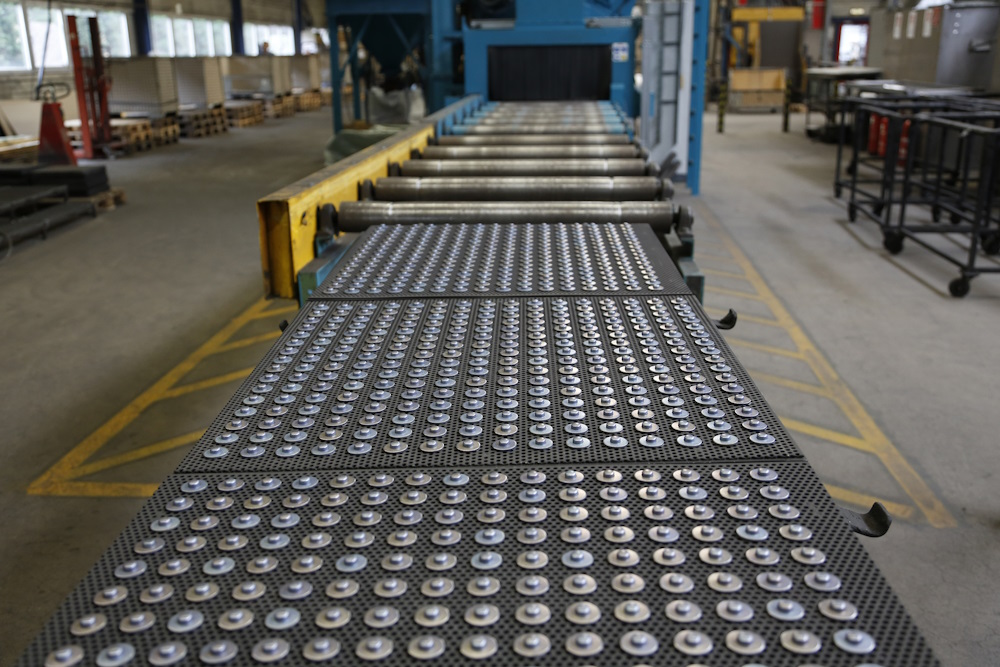
    Anti-vibration mounts and shock mounts incorporating both metal and rubber can be constructed either by bonding the rubber to the metal or by attaching the rubber component to the metal component through mechanical means.  
  • controlling vibrations construction

    The Importance of Controlling Vibrations in Construction

    There are numerous reasons why controlling vibrations in construction work is important, including the need to keep the construction plans continuing without complaint from the public.
  • machine vibration

    Machine Vibration Causes and Fixes

    What Is Machine Vibration?

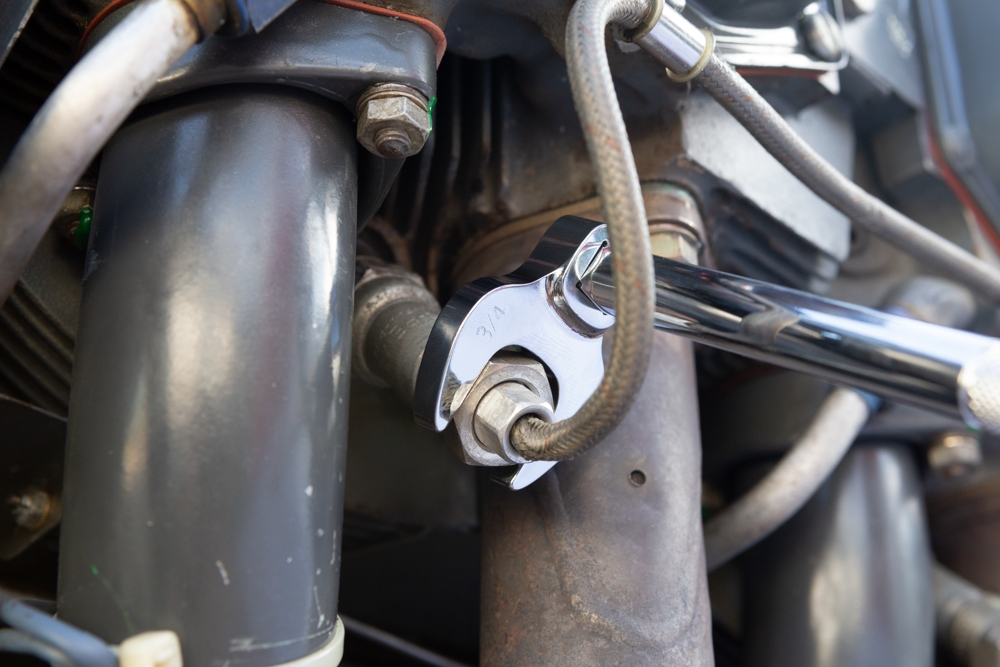
    Most machinery experiences a level of vibration, and will have an expected ‘normal’ range of machine vibration while functioning. However, over time, or if something breaks or goes wrong, this level of vibration may be elevated beyond what is expected, and this can easily become dangerous to operators and the machine itself.

  • rubber compression moulding

    Rubber Injection Moulding and Compression Moulding

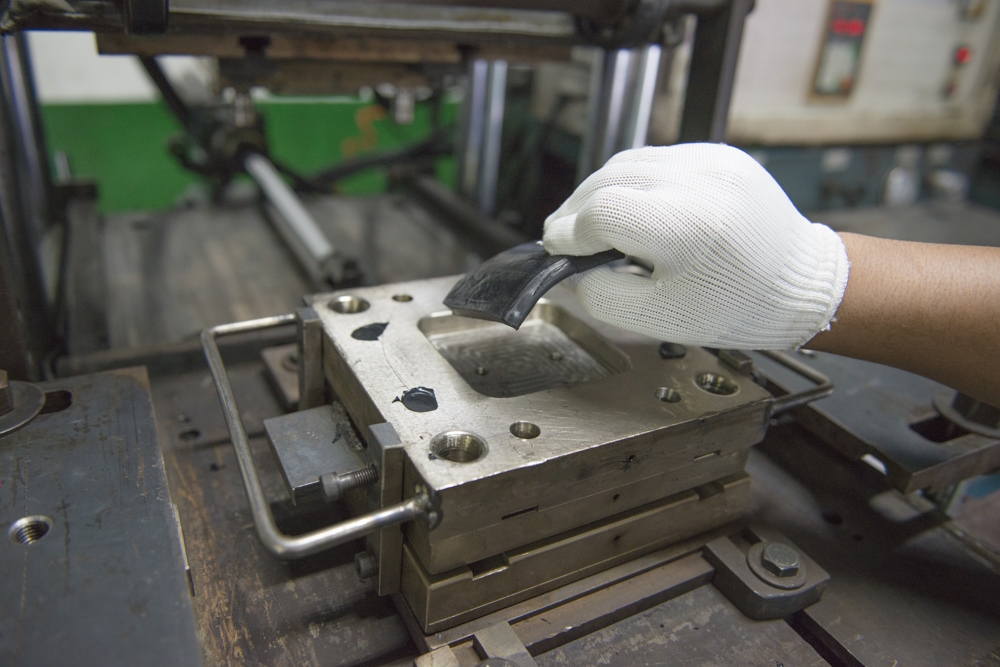
    There are many different methods used to create rubber parts and components, but some of the most popular include rubber injection moulding and rubber compression moulding.

  • hand arm vibration

    Hand Arm Vibration Risk Assessments

    In 2019, Dacorum Borough Council was fined £100,000 after seven workers developed Hand Arm Vibration Syndrome. The investigation found that the council had failed to identify risks associated with the use of certain power tools and excessive use had resulted in the condition.

  • windmills 1838788 960 720

    How to Reduce Noise and Vibrations from Wind Farms

    In the modern age, with our ever-increasing environmental awareness, it’s no wonder that different types of renewable energy and power generation are thriving. In the UK, one of the most popular forms of renewable energy is wind farms, both on- and off-shore, but the vibrations and noise from wind farms can be prohibitive in their building.

  • air source heat pumps vs ground source heat pumps

    Ground Source or Air Source Heat Pumps – Which Is Better?

    Air source heat pumps vs ground source heat pumps; the debate continues between these two similar but distinct technologies. Between May and July 2022, almost 903 ground and air source heat pumps were used to displace other types of home heating fuel including gas, oil and coal.

  • types of rubber

    Guide to the Different Types of Rubber

    Rubber is a unique material known for its elasticity and durability and, as such, it remains one of the most popular materials for many sectors to this day.

    From brief to delivery, our experts assess our client’s individual requirements and find the best type of rubber for your application, taking into account budget, period, and, of paramount importance, functionality.
  • Untitled design 69

    Using Rubber for Effective Anti Vibration

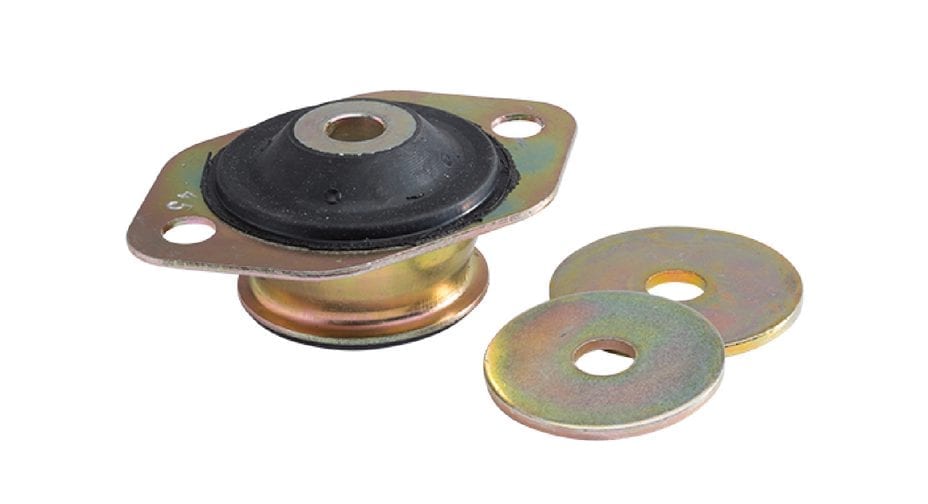
    A wide variety of industries, including construction, aerospace, defence and material handling, require anti-vibration solutions to limit noise, vibrations, and shock. GMT specialises in providing anti-vibration mounts and other products to cater for each industry by offering a range of bespoke solutions to protect your equipment, vehicles, machinery and workforce. These products are a necessity for many companies, and without them, the efficiency of a company, its people and its products can be jeopardised.

  • rubber compound

    How to Choose the Best Rubber Compound for Specific Applications

    A rubber compound is produced by adding specific chemicals to raw rubber material in order to improve and alter the characteristics of the rubber for the desired use. Selecting the correct rubber compound is vitally important for any application in any industry, and the best way to do this is to select which rubber compound properties are most important.

    In this post, we’re looking at some of the different properties of rubber compounds and how you can choose the right rubber compound for your applications.
  • vacancy

    The Advantages of Finite Element Analysis

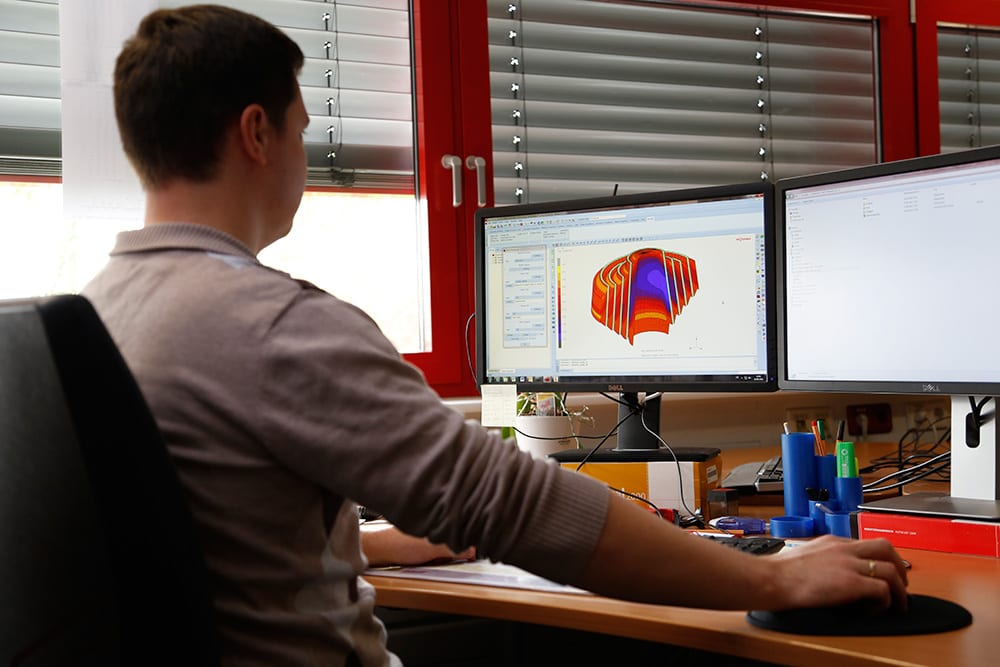
    There are many advantages of finite element analysis as a method of product testing for businesses in many different sectors, including aerospace, construction and defence. In this post, we’re discussing the details of finite element analysis and how it works, as well as the benefits of using this testing technique over other methods.

    We’ll also look at how it can be used to benefit companies and ensure the best products are being made, including how we incorporate the method with our products here at GMT.

  • noise pollution in construction 1

    What is Noise Pollution in Construction?

    Construction is a noisy business; there’s no way to avoid it. However, there are different classification levels of noise pollution on construction sites, and some are more damaging than others.

    Are you aware of the importance of controlling vibrations in construction? Eliminating or minimising the sources of noise pollution in construction is a highly effective way to mitigate risks to workers. However, this is not always feasible, so in this blog we will discuss the industrial noise control regulations and offer some tips on controlling noise pollution on construction sites.
  • rubber anti vibration mountings opti

    What Is the Shore Hardness of Rubber?

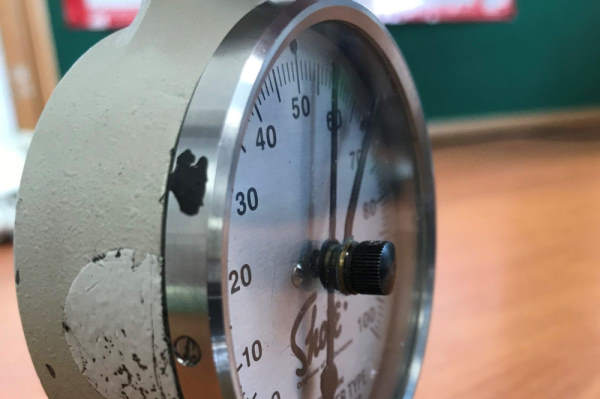
    At GMT, we create standard and bespoke rubber bobbins, buffers and bushes, among other things, for various industries and many different uses. These products are all produced using rubber to provide flexibility. One of the key differentials for us is the Shore hardness of the rubber, but what is the Shore hardness of rubber?

    This guide will provide an overview of what the Shore hardness of rubber is and how different rubber hardness scales are used to measure it.
  • engine mount anti vibration mounting 1 e1530184509368

    5 Signs You Need to Replace Worn Engine Mounts

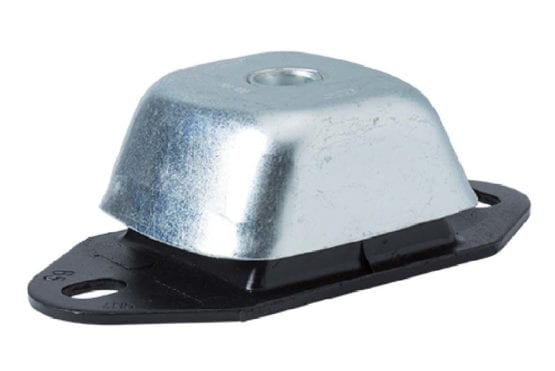
    An engine mount’s primary purpose is to secure an engine into machinery and absorb any shocks and vibrations when the machinery is operating. Engine mounts and anti-vibration mounts are essential for preventing damage to the engine and improving operator comfort (where applicable). But what happens when engine mounts need replacing? And, do you know the symptoms of worn engine mounts? We answer both of these questions in this post.
  • types of motor mounts 1 e1658498994347

    A Guide on the Different Types of Motor Mounts

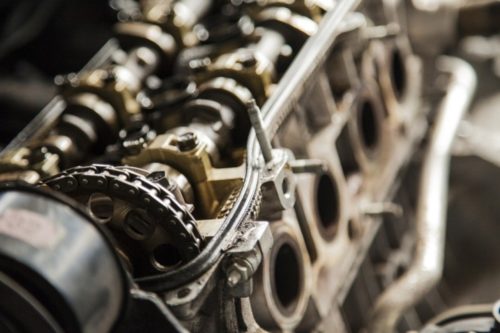
    Engine mounts are an essential component of your machine or vehicle, connecting the engine to the chassis. They are designed to absorb shocks, vibration and noise during operation, which is crucial for preventing damage to both the motor and the chassis. This post discusses the different types of engine mounts available, their pros and cons, and compares solid rubber vs hydraulic motor mounts.
  • rubber mounts 1

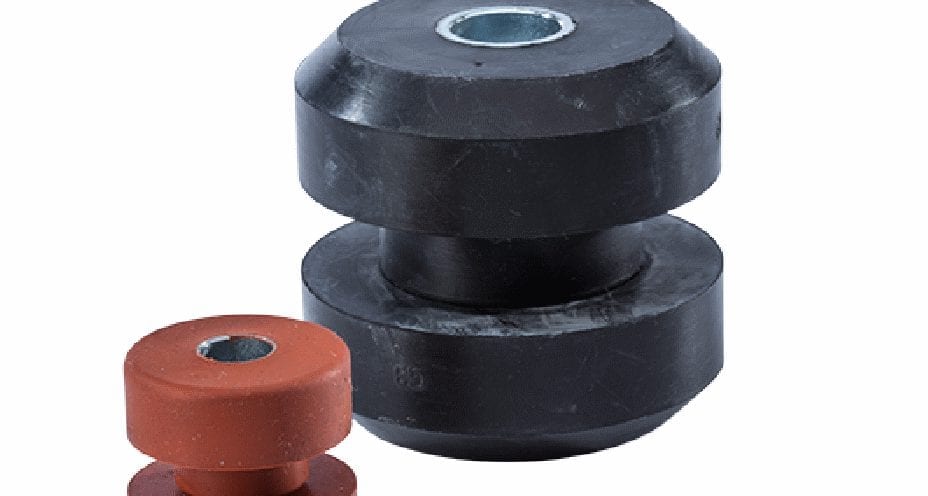
    Step by Step Guide to Choosing Anti-Vibration Mounts

    As a leading specialist in rubber vibration mounts, we offer our extensive expertise using a step by step guide to help you choose the correct rubber mounts. Read on to read our easy to follow guide to choosing the best anti-vibration mount to suit you.

  • what are control arms 3

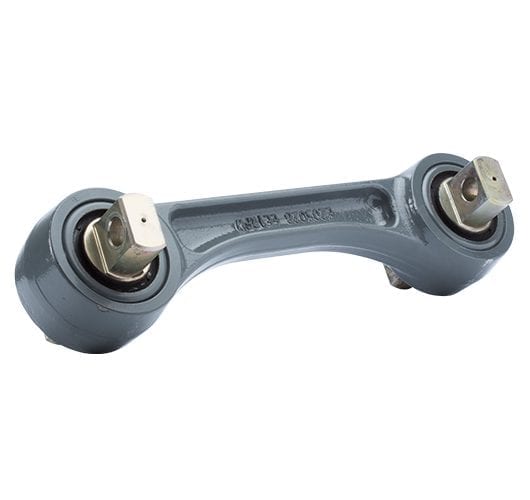
    A Comprehensive Guide to Vehicle Control Arms

    The term ‘control arm’ doesn’t find its way into the discussion about vehicle parts all too often, leaving many people to wonder, ‘what are control arms?’. This post will answer that question and discuss the different types of control arms and their uses.

  • natural vs synthetic rubber e1658498368133

    Natural vs Synthetic Rubber

    Both natural rubber and synthetic rubber hold an important place within the rubber industry, both in high demand by manufacturers. The difference between natural and synthetic rubber (in terms of how they’re made and their properties) makes both types of rubber useful for different applications. In this post, we look at natural rubber vs synthetic rubber, explaining the differences and the pros and cons of both.
  • automotive rubber bushes

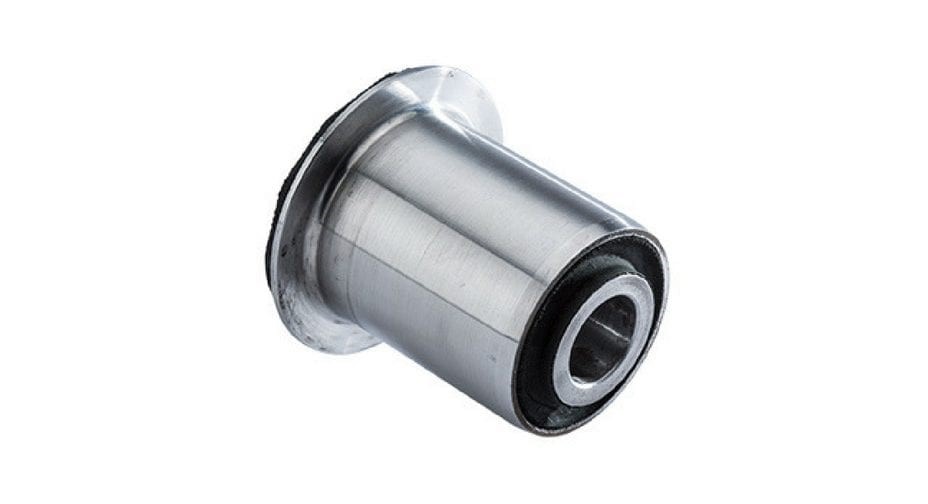
    The Advantages of Using Rubber Bushes

    Rubber bushings are effective in reducing the transmission of shock and vibration between parts. In the automotive industry, there are many advantages of using rubber on shock absorbers, including improved safety and comfort when driving, minimised noise and damage due to reduced vibration.

    The use of automotive rubber bushes has been credited to Walter Chrysler, an American automotive industry executive. Walter encouraged the adoption of rubber vibration-isolating mounts to cut down the vibration and noise of vehicles. From then on, automotive rubber bushes were adopted for use in many parts that generate vibration and noise, and are now a conventional method across the automotive and commercial vehicle industries.  
  • air suspension advantages and disadvantages e1603285911818

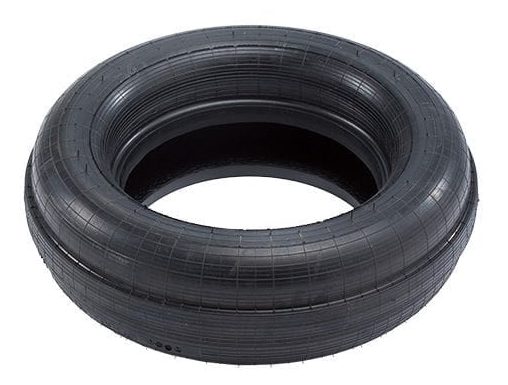
    Air Suspension Advantages and Disadvantages

    An air spring system provides a cushion between the vehicle body and wheel to reduce the vibration felt during travel. This blog will explain air spring systems and discuss air suspension advantages and disadvantages, to give you a better understanding of how they work. In particular, it will cover the benefits of air suspension when used in cars, but some of the principles carry over to heavy vehicles like trucks, tractor-trailers and passenger buses and trains.

  • benefits of iso 14001 and iso 50001 accreditations

    Benefits of ISO 14001 and ISO 50001 Accreditations

    At GMT, we take our environmental and energy management processes seriously, to ensure we are as environmentally and energy conscious as possible. In order for us to do this, we need to make sure the correct systems are in place so that we can manage our operations efficiently and ensure that we are mindful of our environmental impact.

    ISO 14001 and ISO 50001 are two different frameworks that help with environmental and energy management systems. In this post, we describe what both of these frameworks include, as well as discussing their benefits so that you can see the mindful processes we adhere to at GMT without compromising on quality.
  • a brief guide on the rubber recycling process  e1658497102839

    A Brief Guide On The Rubber Recycling Process

    In the past few years, there has been a dramatic increase in the recycling of plastics and paper, with more and more people becoming aware of the positive economic effects recycling can bring. But other products can be recycled that people are not as aware of, such as rubber. Recycled rubber products can be used in many ways, but how is rubber recycled? And what are the advantages and disadvantages of recycling rubber? In this guide, we cover all of these questions and explain the rubber recycling process in more detail.
  • captive part

    Comparing Captive and Non-Captive Parts for Mobile and Static Applications

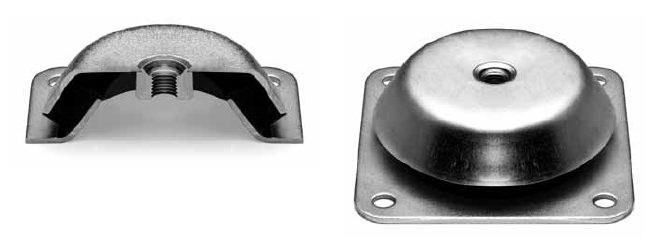
    When selecting an anti-vibration mount, it is always important to consider what would happen if the rubber was overloaded due to improper use and the rubber were to fail. In this context, it is useful to be able to categorise mounts as either captive or non-captive. The images below show the fundamental difference between the two.
  • Electrical Car Parts

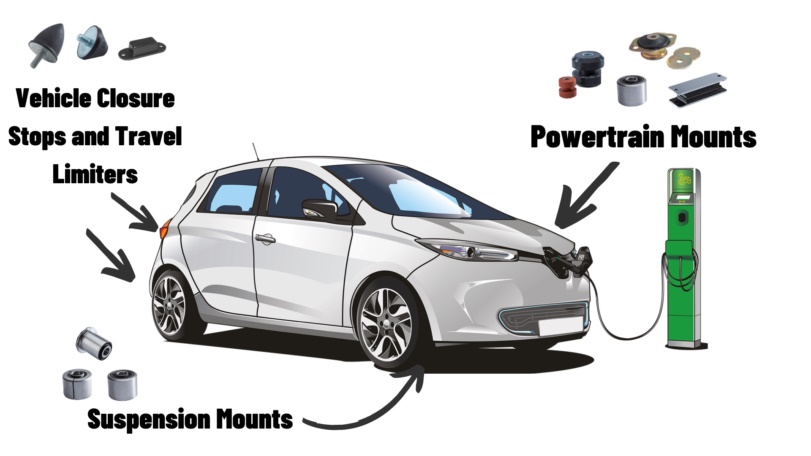
    An Introduction to Anti-vibration and Vibration Control Electric Car Components

    Originally, in July 2017 the government announced a ban on the sale of any new diesel, petrol or hybrid cars by 2040, in an effort to dramatically reduce air pollution. This comes as a strand of a larger plan to attempt to emit zero carbon by 2050. As such, as of February 2020, the banning of petrol and diesel cars by 2040 was brought forward to 2035 “if possible“.
  • How to Meet Industry Standard Isolation Levels

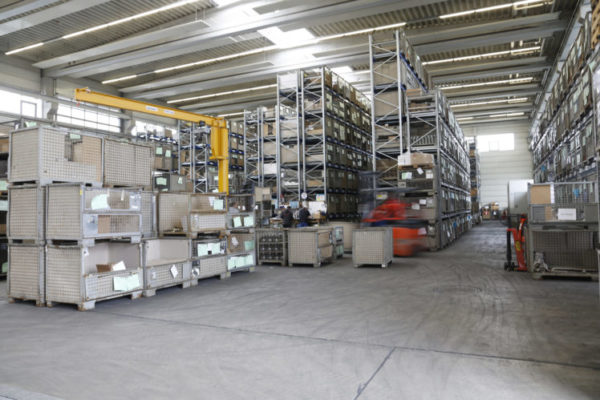
    How to Meet Industry Standard Isolation Levels by Choosing the Correct Vibration Control Products

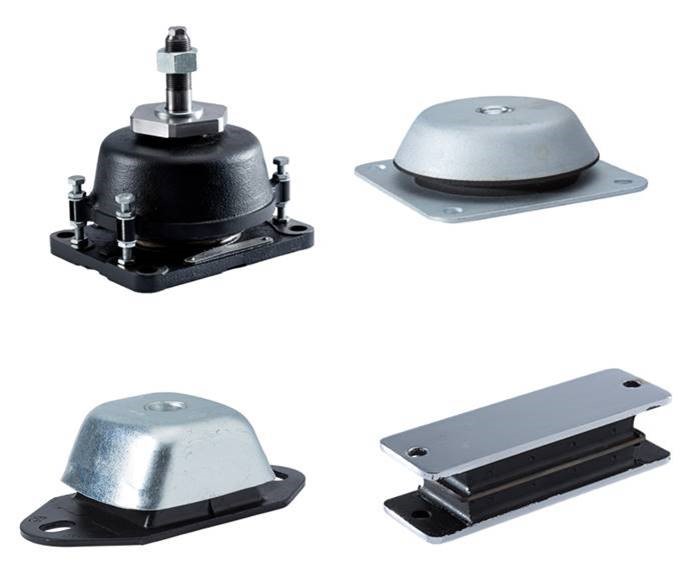
    GMT mounts are used to isolate against two main types of mechanical movement; vibration and shock. Put simply; vibration is described as a repeated movement, whereas shock is a one-off disturbance.

  • rubber storage e1658498818585

    A Short Guide on the Storage of Rubber and Rubber to Metal Components

    Many properties of rubber make it the ideal material for anti-vibration products. To conserve these properties it’s important that the rubber is protected from environmental conditions, such as light and heat, that might otherwise degrade it. Consideration should also be given to protecting the metal that the rubber is often bonded to, as this can also be affected by these conditions.

  • Marine Industry

    Tackling Extreme Marine Conditions with Anti Vibration Technology

    The Extreme Side of the Marine Industry

    Of all industries, one which undeniably faces the most extreme conditions, and consequently necessitates the use of only the toughest equipment, is the marine industry.

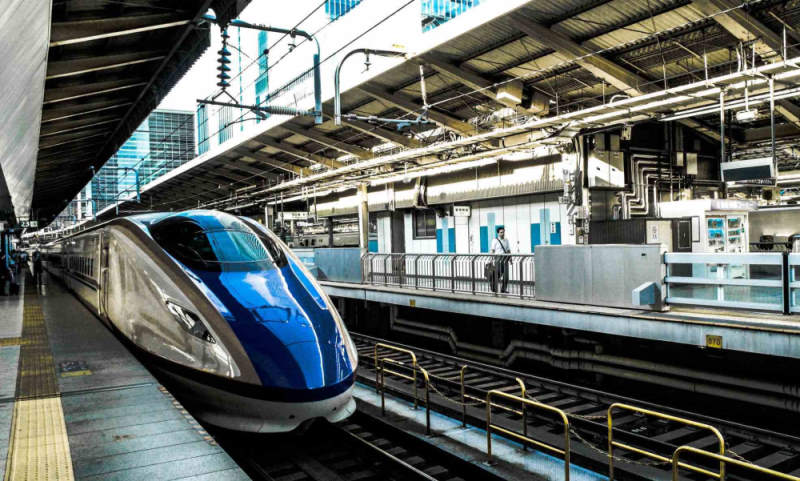
    Equipment on marine vessels can be at sea for long periods of time in very low temperatures, constantly exposed to a whole host of extreme weather conditions. What’s more, due to the crucial nature of many roles within the industry, new and innovative marine technology is constantly being developed to ensure these can be fulfilled as effectively as possible. To ensure this technology can perform under such critical conditions, certain measures have to be taken.
  • importance of railway maintenance and technologies opti

    The Growing Demand for Improved Railway Technology

    The Department of Transport has released a new report stating that Railways have now become the second most-used mode of transport in the UK, second only to cars. This demonstrates that, as roads have become more convoluted, people are making use of the UK’s rail service more and more. This is especially true for those living outside of a city centre but travelling into it for work. Driving into a city during rush hour normally means adding extra time onto your commute. This means that travelling by train can be a much more convenient and appealing option, but only if they are running efficiently. To keep customers happy, trains need to be consistently on time, comfortable, and able to run efficiently during peak times.
  • Suspension Bush 1

    The Problem with Worn Suspension Bushes

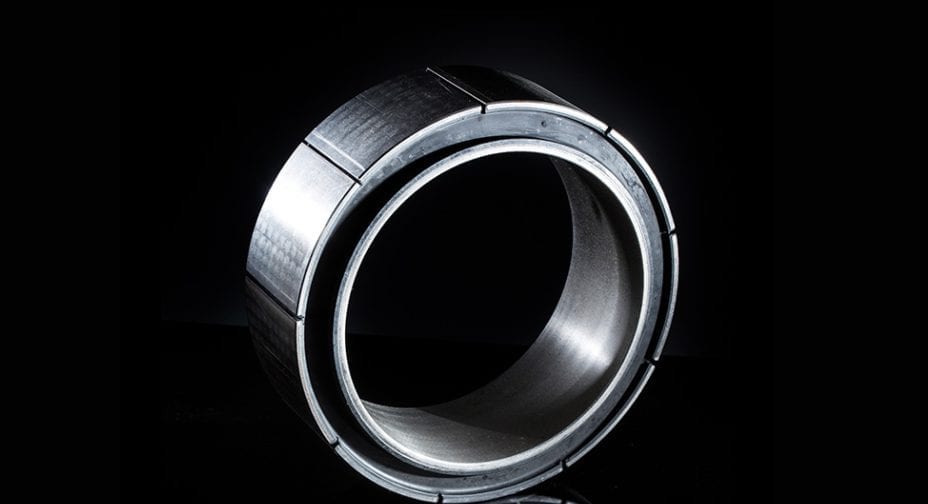
    Suspension bushes are a type of vibration isolator that is often made of rubber. The purpose of a suspension bush is to prevent metal-to-metal contact while still allowing for some movement. The movement is essential for allowing parts of the suspension to move freely. Although small, suspension bushes largely influence the efficiency of a vehicle, playing an important role in the safety, comfort, and handling of a vehicle. Due to the constant exposure to the elements underneath a vehicle, deterioration of suspension bushes can occur over time.

    It’s therefore important to check your suspension bushes.
  • Untitled design 65

    Levelling Feet: A Comprehensive Guide

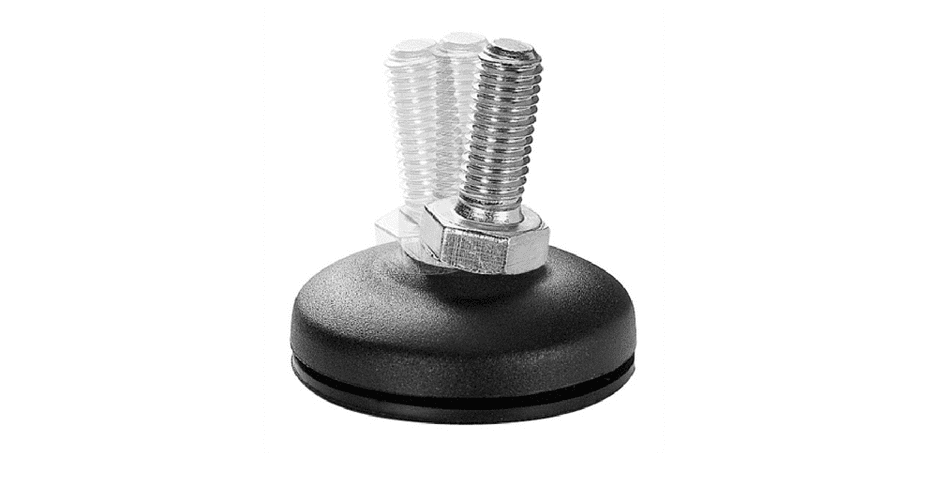
    Levelling feet can stabilise a wide range of machinery, with the height adjustment feature of allowing machinery to be levelled when installed on uneven ground.

    There are a variety of combinations and sizes available, meaning that there is a type to suit all applications. At GMT, spindles can be combined with various types of threaded foot plate, enabling customers to specify feet to their exact requirements. The feet can also be specified to have anti-slip rubber pads. Additionally, feet with high load bearing capacity and self-aligning capabilities are available.

  • Untitled design 66

    What is 3D Modelling?

    How We Use 3D Modelling

    Special software allows us to plan out and accurately represent the object we have in mind. Connecting geometric shapes, curved surfaces, and lines, the 3D model gives a mathematical description of the surface of the object. Here at GMT Rubber, if standard products are not suitable to a client, we are able to produce a new design using 3D modelling. This is used in conjunction with Finite Element Analysis (FEA).

    With knowledge of the client’s needs, we build a product to meet the specification whilst ensuring that the finished design is also capable of meeting service life/durability requirements.
  • Untitled design 70

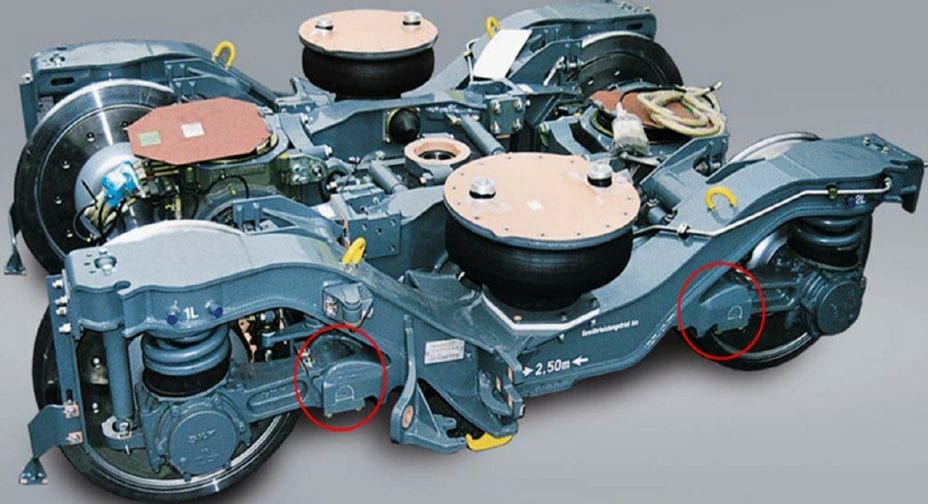
    Why Use Variable Stiffness Hydraulic Rubber Bushes?

    GMT’s range of technically advanced variable stiffness hydraulic axle guide bushes have already been successfully implemented for many years on major train manufacturers bogies to provide adaptive levels of stiffness for bogie axles running on tracks. Train operators are also taking advantage of the reduced wear and tear of wheels and tracks to reduce noise and energy consumption and associated track running costs. 
  • Untitled design 71

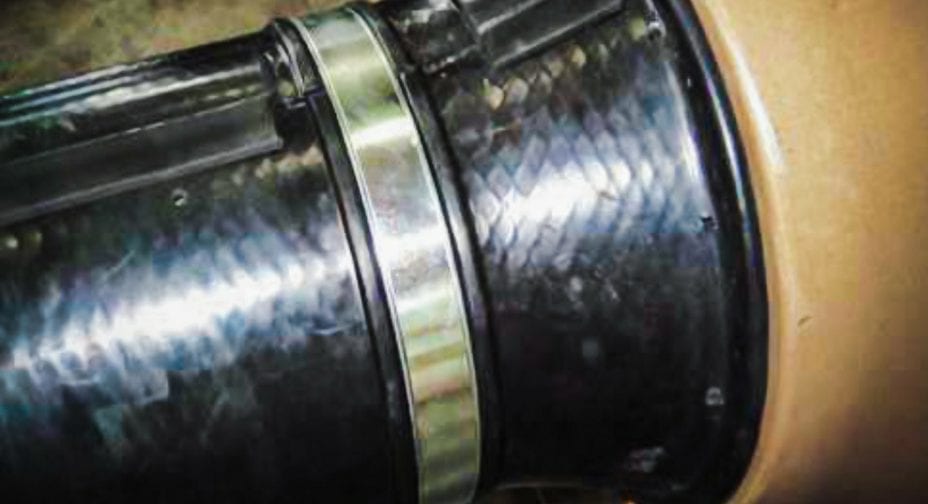
    GMT Axle And Wheelset Protectors Prove Their Worth

    GMT’s specialised axle and wheel set protectors for railway cars are proving to be very popular with train manufacturers and operators to avoid damage by ice and stones due to the significant reductions achieved in maintenance and repair costs. Contact GMT now to learn more about these great products.