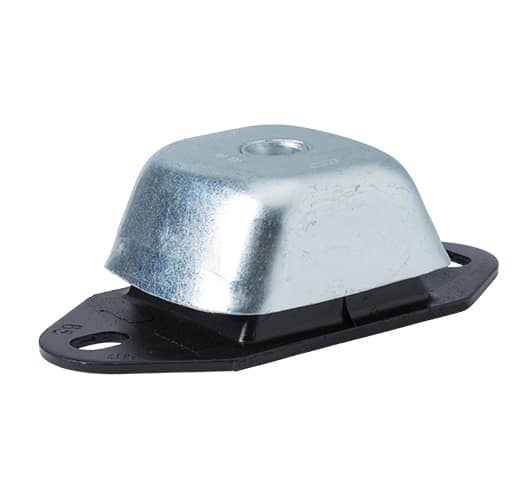
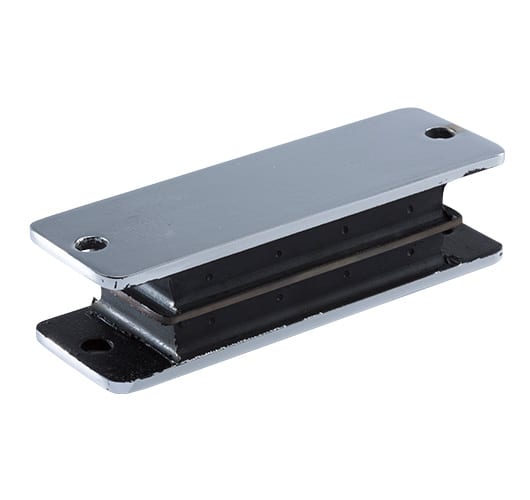
• cone mount

    Cone Mounts

    Cone mounts are designed to provide a captive solution an...

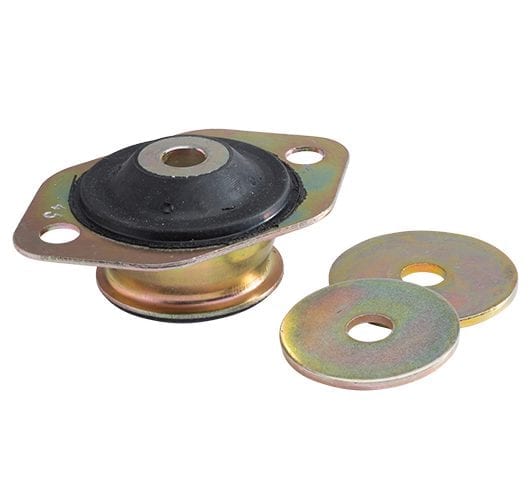
  • anti vibration mounting min

    Machine Feet

    GMT’s machine feet and Triflex anti-vibration mount...

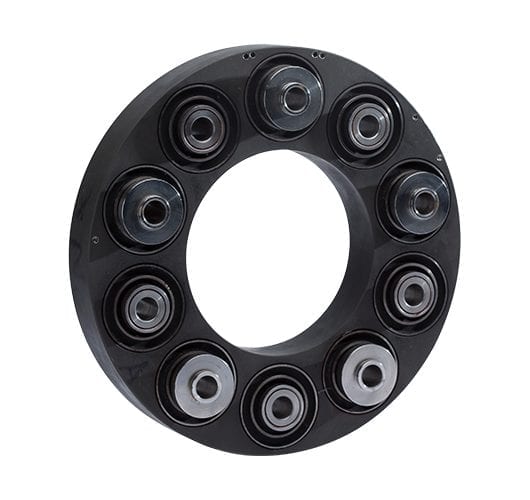
  • Rubber Drive Coupling

    Rubber Drive Couplings

    Rubber drive couplings are mechanical devices ...

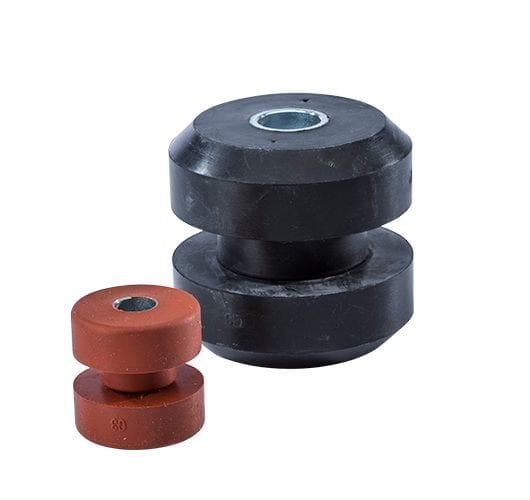
  • Two piece rubber mounts

    Rubber Mounts

    GMT can offer a range of centre bonded mounts suitable fo...

  • Sandwich Mount

    Sandwich Mounts

    Sandwich mounts are made from rubber sandwiched between t...

What is an Engine Mount?

An engine mount is a mechanical component that secures an internal combustion engine (or other power unit) to the chassis or subframe of a vehicle, machine, or equipment. Its primary functions are:

  1. Structural Support:
    • Provides a rigid connection between the engine and the frame/body to maintain alignment of the drivetrain.
    • Ensures proper transfer of engine torque to the vehicle structure without excessive deflection.
  2. Vibration Isolation:
    • Minimises transmission of engine vibrations, pulsations, and resonance to the chassis and passenger compartment.
    • Typically achieved through elastic elements (rubber, polyurethane, or hydraulic fluid-filled chambers).
  3. Damping of Dynamic Loads:
    • Absorbs shocks and dynamic forces generated by acceleration, deceleration, and uneven road surfaces.
    • Reduces stress on engine components, fasteners, and the vehicle structure.

Engine mounts rely on a bonded rubber-to-metal (RTM) interface, which must endure cyclic loads, heat, and chemical exposure. The main bonding techniques include:

Adhesive Bonding (Rubber-to-Metal Adhesives):

  • Surface prep: grit blasting, degreasing, phosphate coating, or plasma treatment.
  • Adhesive system: usually a two-layer primer/topcoat system (phenolic resin or isocyanate-based).
  • Rubber is molded directly onto primed metal during vulcanization, creating a chemical bond.

Mechanical Interlocking:

  • Metal component is shaped with undercuts, grooves, or knurling that locks the elastomer mechanically.
  • Often combined with adhesive bonding for redundancy.

Why Choose GMT Rubber

With over 50 years of expertise in vibration isolation and rubber-to-metal bonding, GMT Rubber is a trusted partner to industries worldwide — from r ail and aerospace to automotive and defence.

Proven Performance

Proven Track Record

Established in 1968, now a global leader with 800+ employees and £130M turnover.

Certified Materials

Certified quality

ISO 9001, IRIS, EN9100 and recognised as a Preferred Supplier by major manufacturers.

In-House Design

Advanced manufacturing

Automated rubber compounding, strict in-process inspections, and ISO 14001 / 50001 certified facilities.

60+ Years Experience

Tailored solutions

Engineered to perform in extreme environments, resisting temperature, oils, fuels, and chemicals.

At GMT Rubber, we combine innovation, precision, and reliability to deliver solutions that keep your operations running smoothly.

When Should an Engine Mount Be Replaced?

Key symptoms of an engine mount in need of replacement include:

  • Excessive vibration or noise in the cabin.
  • Clunking or knocking sounds during acceleration, braking, or gear changes.
  • Visible cracks, splits, or leaking fluid (in hydraulic mounts).
  • Engine movement or misalignment when idling or under load.

Engine mount replacement should always be carried out by a qualified mechanic or service professional. Proper installation is critical as incorrect fitment can lead to drivetrain misalignment, damage to surrounding components, and reduced vibration isolation.

How Often Do Engine Mounts Need to Be Replaced?

There is no fixed service interval, as lifespan depends on vehicle type, operating conditions, and mount design. However, as a guideline:

  • Standard rubber mounts may last 5 to 7 years under normal driving.
  • Hydraulic or advanced mounts may need replacement sooner if exposed to extreme conditions.
  • High-performance or off-road vehicles may require more frequent checks.

Looking for reliable anti-vibration mounts?

Whether you need standard components or a fully bespoke vibration isolation solution, our engineers are ready to help. Share your application details, and we'll recommend the most suitable anti-vibration mountings for your equipment.

Frequently Asked Questions

What are engine mounts? +

Engine mounts are components designed to secure an engine while isolating and reducing vibrations, preventing damage to the vehicle or machinery.

How do engine mounts reduce vibration? +

Engine mounts absorb and dampen vibrations from the engine, preventing them from transferring to the vehicle chassis or machinery frame.

What types of engine mounts does GMT Rubber offer? +

We offer a variety of mounts, including rubber engine mounts, metal-rubber bonded mounts, and hydraulic mounts for enhanced vibration control.

Why are high-quality engine mounts important? +

High-quality engine mounts prevent excessive vibration, protect engine components, reduce noise, and improve the overall performance of a vehicle or machine.

Which industries use engine mounts? +

Engine mounts are widely used in the automotive, marine, rail, aerospace, and industrial machinery sectors for vibration reduction and stability.

How do I choose the right engine mount for my application? +

Choosing the right mount depends on factors such as engine size, weight, vibration levels, and environmental conditions. Our experts can guide you to the best solution.

Are GMT Rubber’s engine mounts customisable? +

Yes, we offer standard and custom-engineered engine mounts to meet specific industry and application needs.

What materials are used in GMT Rubber’s engine mounts? +

Our engine mounts are made from high-performance rubber and rubber-metal composites to ensure durability, flexibility, and effective vibration isolation.

Can engine mounts be used for heavy-duty applications? +

Yes, we manufacture robust engine mounts designed to support heavy-duty engines in construction equipment, commercial vehicles, and industrial machinery.

How can I order engine mounts from GMT Rubber? +

Contact us to discuss your specific requirements, and our team will assist you in selecting the best engine mount for your application.